


3 Driving Apps You Need Now
While it's still possible to drive without using any mobile apps at all, why would you bother when you can get one of the amazing apps on this list to make your trip a little smoother?
ToyotaCare is a free maintenance plan that compliments the factory warranty that comes with the purchase or lease of every brand-new Toyota vehicle. For the first two years or 25,000 miles of ownership, you get to enjoy these benefits. No-Cost Maintenance Every 5,000 miles, assuming you visit a licensed Toyota garage, you get a free tire rotation, a multi-point inspection, and a fluid inspection with extra fluids added at no cost if needed. Every 10,000 miles, you get all the same benefits plus a free oil change. You might also want some other routine maintenance or repairs done during these stops. 24-Hour Roadside Assistance Unlike the maintenance plan, you get to enjoy 24/7 roadside assistance for two years no matter how many miles you drive. With this plan in place, Toyota provides no-cost battery jumping, emergency fuel deliveries, spare tire replacements, and more. So long as your car is near a roadway in the continental United States or Alaska, Toyota will pay to tow your vehicle to the nearest Toyota dealership. In addition to this basic coverage, most dealerships also offer extended warranties and maintenance coverage that kicks in as soon as the factory-standard plans expire and assuming you keep up with the maintenance schedule Toyota recommends for all its vehicles, you can save a surprising amount of money by buying such a plan. Make sure you learn the details of any such program when you go in to buy a new car so you can find out if it's right for you.
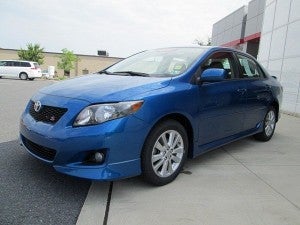
If you’re storing your vehicle and not driving it over the winter, you will want to take a few steps to prepare your car for storage. Here are a few tips to make sure your vehicle is ready to go again when you take it out of storage. Clean and Detail You don’t want to put a car into storage without cleaning it first. Clean the inside of the vehicle, removing all garbage and vacuuming the floor and upholstery. Wash the outside, and follow up with wax to protect the paint finish. Prevent Mice and Rodent Damage If mice or other rodents get into your vehicle while it’s stored they can cause serious damage. While there is no way to guarantee they won’t try to get warm inside the vehicle, you can take a few steps to help make your vehicle less appealing for them. Put mothballs inside old socks and then place the socks inside the vehicle, under the hood, and under the car. If you don’t want to use mothballs, you can also put drier sheets inside your vehicle. Inflate Your Tires Tires will lose air while in storage during the cold winter months and you don’t want your tires to deflate and leave your car sitting on its rims. Ideally you would take the tires off and store your vehicle on a lift to keep the pressure off the tires, but if that is not possible be sure to inflate your tires to the maximum tire air pressure before storing, and to check and fill tires as necessary before driving car out of storage. Remove Battery Remove and store your battery separate from your vehicle so it doesn’t drain the power over the winter. Alternatively, you can connect the battery to a trickle charger or battery tenders. The charger you use should have an automatic shutoff feature or float mode so it stops charging when it has full power to avoid overcharging the battery.
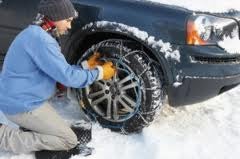
Whether you are new to the area or a seasoned snow driver, driving on ice and snow can be challenging and downright nauseating. Sliding tires, loss of traction, speeding cars, and icy roads all edge us closer and closer to an anxiety attack. What are the best strategies to conquer winter-driving phobia? Signs You May Have Winter-Driving Anxiety You know the feeling when you see the weather forecast or look out the window and see the white stuff. If you have anxiety, you will recognize the obsessive habits. Checking your phone or the weather constantly Calling in sick to avoid driving Hyperventilating when behind the wheel Rapid heartbeat and sweating when driving Crying when driving or thinking about driving Tips to Help You Manage Snow Driving Anxiety If you become anxious when you have to drive in the snow, consider a few tips to make your drive a little easier and stress-free. Don’t start the drive with dread. You need to put yourself in the mindset to drive. Talk to yourself to calm yourself down. Remind yourself that you are going to make it and that you are a confident, capable driver. If you feel anxious, take at least three deep breaths. Leave early. Give yourself plenty of time to get to your destination. If you have to, leave before or after commuting traffic is less severe on the road. When you are driving, don’t allow panicked reactions to drive the car. You are in control. Many times your initial reaction is to slam on the brakes, but your brakes can do more harm than good in many situations. Practice safe-driving techniques: stay at least 12 seconds behind the car in front of you, accelerate slowly, give yourself extra time to stop, and slow way down before you turn or move to the side, and wear your seatbelt. Take a driver’s education class that focuses on winter driving.