Blog / Allentown Toyota Service

Should 20-Somethings Own Their Own Insurance Policies?

When is it time to remove a driver off your insurance policy? Do you wonder if your older children should remain on your car insurance policy or branch off onto their own? Toyota near Willow Grove talks about removing drivers in their twenties off your policy. What to Consider Before You Remove a Driver Whether or not to remove an older driver depends on the driver, and the situations may be different from family to family. Consider a few points before you decide. 1. Does the driver still live in your household? As long as your grown child is still living in your home, he or she will affect your car insurance rates. Household drivers have access to the vehicle, and the insurance company will require you to rate the child on a household vehicle. 2. Is the driver away at college? If your teen driver is away at college, you can leave him or her on your insurance policy. 3. Is the driver married or expecting a child? The driver can expect to pay higher premiums once he or she breaks off your policy. If the driver is not yet 25, married or a parent, he or she will be rated as a youthful driver. The rates will be twice as bad if he or she loses the discounts your policy provides. 4. Who is the registered owner of the vehicle? If you are the registered owner of the vehicle, the vehicle will need to be insured in your name. If you keep the driver as a named driver on the policy, the driver will get better rates in the future because he or she can prove continuous coverage. 5. Is your grown child a responsible driver? If your grown driver is a responsible driver, there is no need to remove him or her from the policy just yet. If the driver has a bad record, and still lives in the home, you may be able to exclude the driver from your policy. Once the driver is excluded, he or she will NOT be covered if an accident occurs in a household vehicle listed on the policy.
Posted in:

Related Posts

ToyotaCare: A No-Cost Maintenance Plan

When you buy or lease a new Toyota you automatically get a no-cost maintenance plan that covers you for two years or 25,000 miles – whichever comes first. You also get 24-hour roadside assistance for your first two years of Toyota ownership or leasing, regardless of how many miles you drive during that time frame. Proper Vehicle Maintenance Increases Safety and Dependability Maintaining a vehicle is necessary to ensuring your safety and the dependability of your vehicle over time. Toyota offers the ToyotaCare program to help you maintain your vehicle. ToyotaCare 24-Hour Roadside Assistance For your first two years of ownership or when leasing a new Toyota you’re covered under ToyotaCare’s 24 hour roadside assistance. ToyotaCare roadside assistance covers: Towing Dead battery jump starts Lockout protection Winching Fuel delivery Flat tire assistance ToyotaCare Factory Maintenance Coverage When you bring your Toyota in for service we’ll keep a history of your maintenance visits and also send you reminders when you’re due for factory scheduled maintenance. ToyotaCare scheduled factory maintenance covers: Oil and filter changes Tire rotations Inspect and adjust all fluid levels Multi-point vehicle inspection

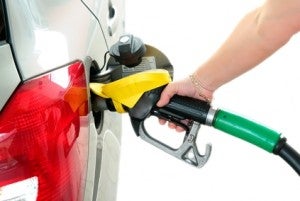
Closeup refuel gasoline in gas-station on white background

Why is My Gas Mileage Dropping?

When we buy our new vehicles, one of the features that drives us to certain models is the fuel economy rating. If you drive a Toyota, you are getting some of the best range in the industry. Have you noticed you can’t drive as far as you could just a few months ago? Bennett Toyota technicians answer common questions about fuel economy range. Will Premium Improve Fuel Economy? Premium fuel has a higher octane rating, which makes the car more resistant to preignition. Preignition is a problem most common with high performance cars, not your every-day commuter. High-octane fuel will only cost you more money per gallon; it won’t allow you to drive further. Why is My Gas Mileage Dropping? If you are noticing a dip in mileage, answer a few questions to identify the problem: Do you speed? Yep, one of the biggest reasons for poor fuel economy is a lead foot. Follow the posted speed limit signs, don’t drive aggressively, and quit stopping abruptly. Are your tires properly inflated? Get out the air pressure gauge and check the pressure. You can find the recommended air pressure in your owner’s manual or inside the driver’s side doorjamb. Are any of your dash lights on? If so, you need to head to the shop right away. The Toyota technicians will hook up your car and run the codes to see what the problem is. Fuel Economy Myths If your fuel economy is dropping, don’t believe common fuel economy myths: Your car needs to be warmed up in the morning Gas from no-name stations is bad Filling up when it’s cold outside improves mileage The air filter is dirty (this is only true for older carbureted engines)

fall-leaves-300x225

Car Care Tips for Fall

The crisp in the air means one thing: fall is here. We are thrilled to see the leaves change, the holiday coffee blends, and the cooler temps. Not to mention the football games on nearly every day. Fall is also a time to brush up on maintenance and service to prepare your car for the cooler temperatures. This fall, head over to Bennett Toyota service department for fall maintenance. Fall Car Care Tasks The following tasks are a few of the most important to avoid a breakdown or accident: Improve visibility Visibility is critical during all seasons. To improve visibility, inspect all the lights around your car, inspect the rubber on your windshield wipers, top off the windshield wiper fluid with a cold-weather blend, and if your lenses are scratched and cloudy, have the lenses polished. Stay warm Now is the time to inspect the heater before the cold really takes hold. Test the heater and the defroster. If you have heated seats, test the seats and make sure the fuses are still in good shape. Protect the paint Many drivers choose to wash and wax their cars in the fall. During fall, the sap falls, leaves fall, and more debris is on the road. Change the oil Oil is essential for your car’s optimal performance. Bring your car in for an oil and filter change. While you are here, we will inspect the hoses and belts, and top off the other fluids in your car. Inspect tires and brakes This fall, take your car in for a tire rotation. While at the shop, the technicians will inspect the tire tread and look at your brakes.