Blog / Allentown Toyota Dealer

Tips from Bennett Toyota to Help Remove Tar from Your Car’s Paint

protect paint depositphotos

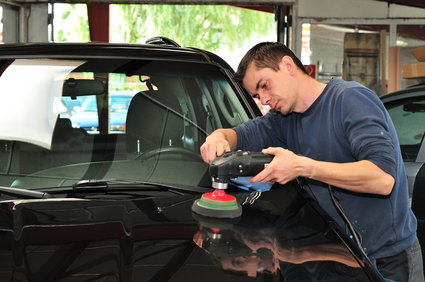
We all love to see the roads being repaired and the surfaces smoothed out, but there can be a downside to the roadwork—tar on the paint. When it is hot outside or the tar is fresh on the road, your tires will kick it up right onto your paint. If you drive too close to the person in front of you, his/her car will do a fine job or tarring your car as well. Macungie area Toyota has tips to help you remove tar from your car’s paint.

Five Products that May Remove Tar

Every driver has his or her own remedy for removing tar from the car’s paint. From commercial products to at-home solutions, there are many different ways to remove tar debris. The service team has selected a few of our favorites. Remember to test the product on a small area before you apply it to a larger area. A few remedies include:

  1. WD-40Commercial tar remover
  2. Clay bar
  3. Oily foods: peanut butter, butter, mayonnaise
  4. Goo Gone

 If you use a household remedy to remove the tar, apply the product to affected area and allow it to sit for 3-5 minutes. Products such as Goo Gone, WD-40, and commercial solutions may only require 30 seconds or more. Once the time is up, use a terry cloth to wipe the area clean. Depending on the severity of the build-up, you might have to use a bit of elbow grease to get rid of the tar.

If you use the clay bar, as many professional detailers and body shop technicians do, rub the clay bar over the paint until the tar is gone. Follow the clay bar up with a wax product to restore the paint’s shine.


Posted in:

Related Posts

checklist

What Not to Do After a Car Accident

Most drivers do everything they possibly can to avoid a car accident, but statistically – most drivers will find themselves involved in a car accident at some point in time. Not only are car accidents inconvenient but they can cause expensive damages to your vehicle, possible traffic tickets, injuries, and liability issues. If you are involved in a car accident, there are several things you should never do - including the following: Drive away from the accident: even if there are no damages involved in the car accident, you must never just drive away from the scene. You have to check on any other drivers and people involved, exchange car insurance information, and even report minor fender benders to law enforcement. Not doing these things is considered a crime. Skip calling the police: even if no one was hurt in the car accident and you and any other drivers involved have decided it’s a minor incident that doesn’t need to be reported – you must call the police after a car accident. You can’t be sure the other drivers have up to date insurance coverage. You can’t be sure the other driver doesn’t have active arrest warrants. You can’t be sure the other parties involved in the accident won’t go to the hospital later with injuries they say come from the accident. Always get a police report documenting the car accident as protection for yourself. Blame the other driver or admit fault: never yell at the other driver(s) and blame them for the accident even if it was their fault.  Keep calm and ask them if they are alright instead of getting angry that they caused a car accident – even if it was their fault.  Also, never admit that you did anything wrong after a car accident as this is the same as legally admitting liability for the accident which could result in law suits and other penalties.

pickup truck and guitar

Songs About Pickup Trucks

Country songs and pickup trucks go together like peanut butter and jelly. While these songs don’t mention Toyota specifically in the lyrics, you know that Toyota’s pickup trucks fit right into the country lifestyle and could very well be the star of each of these songs. Which is your favorite? “We Rode in Trucks,” Luke Bryan Luke sings about his life on the farm, including the truck and it’s importance for the daily farm life. “Truck Yeah”, Tim McGraw This is a song about redneck life and of having fun. “Hillbilly Deluxe”, Brooks & Dunn In this song, one of the best things about living a country life is riding around in pickup trucks with a lady by your side. “I Drive Your Truck”, Lee Brice Lee sings about someone driving around in the truck of someone who had passed away. “I Love My Truck”, Glen Campbell “Mud on the Tires”, Brad Paisley Brad sings about buying a new truck and feeling excited by it and taking it out to get mud on the tires. “Somethin’ Bout a Truck”, Kip Moore The lyrics of this song feature a truck, an ice cold beer, and a lady. “Rough and Ready”, Trace Adkins Trace sings about the cowboy life (which of course includes pickup trucks) and the type of woman he wants in his life. “How Country Feels”, Randy Houser Randy sings about riding in a pickup truck while watching the sunset and rise as the description of what country feels like. “Big ‘Ol Truck”, Toby Keith Toby sings about wanting to meet a woman driving around in a big pickup truck. “Suds in the Bucket”, Sara Evans In this song, an 18 year old takes off with a man in a pickup truck.

Tips for Improving Credit Score to Get a Car Loan

A credit score is a three-digital number used by lenders to determine the likelihood that you’ll repay the money you borrow. The score is determined by a variety of factors including your past payment history, how much money you already owe to other lenders, and how much of your available credit you’re using. When you want to buy a car with a car loan, you want to have the highest credit score possible. The higher your credit score, the better your interest rate and repayment terms. Here are a few tips for improving your credit score: Reduce Your Debt One factor used in the calculation of your credit score is how much credit you have available to you versus the amount of credit you’re using. To improve your credit score and improve your chances of getting approved for a vehicle loan, pay down your credit card balances and any other revolving debt balance you have. You want to keep how much you owe at 30% or lower of your available balance. Don’t Close Accounts With Good Repayment Records When you pay off credit cards that you have had a strong repayment history on for years, don’t close the account or cancel the credit card. You want your good credit history to remain on your credit report as long as possible, and if you close the account it will disappear from your record in about seven years. Closing accounts can further reduce your credit score because it reduces the amount of available credit you have; making it seem like your debt in comparison to your available credit. Pay Bills on Time Always pay your bills on or before the due date to avoid late fees and to avoid a negative notation on your credit report. Repeated late payments will cause your credit score to decrease, while making your payments on time over time will increase your credit score.