


In the age of the computer, there are more threats than ever before. If you’ve ever had to change your password or have someone hard reset your phone, you know how easy it can be. Now, with our smartphones acting like virtual wallets the temptations for hackers is bigger than ever. The thing is that as more and more tech makes its way into your car, it, too, becomes a target. Your Allentown Area Toyota dealer explains vehicle hacking. How It Works Vehicle hacking works a lot like any other kind of hacking in that hackers look for an easy entry point. This is what folks who know call “attack surface.” Things we’ve come to take for granted like Bluetooth and other wireless connections all run through a central computer. The more wireless features a car has the more attack surface it has since each one can be a way in. Why It Matters Say a hacker can gain access to your car through your Bluetooth or even the wireless tire pressure gauge. If that system is directly connected to other systems, what’s called network architecture, a hacker can then gain control of power steering or electronic braking. Because we tend to feel safe in our cars, hackers can also use this entry point to gain access to wireless devices right in our pockets. What Can Be Done Well, car makers are taking new steps to limit access and redesigning network architecture and what are known as “cyberphysical features” like braking, steering, and acceleration. For now, cars still aren’t popular targets, but it’s always better to know than to not.
Bennett Toyota Dealer Takes You Inside Your Engine
Most of us aren’t mechanics and most of us don’t work on any part of the assembly lines. If we were either of those things, we’d know that a great deal has changed even in the last ten years for engines. Your Macungie Area Toyota dealer gives you a little tour of your engine. First Things First For most engines, it all begins in the gas tank. Conventional engines use a fuel pump to get gasoline to the engine. Modern engines use direct injection or multi-point injection mechanisms. This means that fuel is sprayed directly into each chamber as a finely-tuned cloud, not mixed with air like it used to be. Fire Good When ignited, the gasoline creates a contained burst of energy that pushes the piston through the chamber. The piston, of course, is connected to the crankshaft. By pushing the piston down, the crankshaft is turned, creating the needed rotation to turn your wheels. Variable Valve Timing systems make the engine itself more efficient by allowing pistons to fire at different speeds. The Machine Mind The energy that is created is sent down the shaft and drivetrain and your car’s computer senses how that energy is being used. If for example, you’re struggling to get up a hill, the car’s sensors will detect that and kick your engine into overdrive rather than risking stalling out. Likewise, electronic traction control detects when a single wheel is slipping and delivers more energy to the wheels that aren’t.
Bennett Toyota Lets You Know the Factors the Impact Your Insurance Premiums
Car insurance is a great thing...except for when the bill comes. Many of us wonder how they come up with the number they give us. Well, your Bethlehem Area Toyota dealer wants to pull back the curtain on what affects your insurance premium the most. What You Get This is the most obvious factor. If you want a lot of coverage for your car and yourself, it’s going to cost you. Likewise, going for a higher deductible can cut down on your monthly, semi-annual, or annual premium, but just be careful you don’t put yourself on the hook for too much. Car Use and Location How far you tend to drive your car affects your premium since the more you drive the more likely it is you’ll get into an accident. However, there can be a difference between street parking and a driveway or even a difference between one city and the next due to crime rates. Age and Gender We’ve known this for a while, but people under 25 pay more than mature adults and men tend to pay more than women. Much of this has to do with statistics and probabilities, but really it comes down to the fact that older drivers and women are less likely to take risks. Your Credit Not a lot of people know that insurance companies use credit scores and credit checks to determine coverage cost. If you have bad credit, the insurance company may see you as an increased risk because you may not be able to cover your deductible because of outstanding debt.
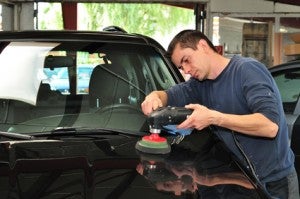
Tips from Bennett Toyota to Help Remove Tar from Your Car’s Paint
We all love to see the roads being repaired and the surfaces smoothed out, but there can be a downside to the roadwork—tar on the paint. When it is hot outside or the tar is fresh on the road, your tires will kick it up right onto your paint. If you drive too close to the person in front of you, his/her car will do a fine job or tarring your car as well. Macungie area Toyota has tips to help you remove tar from your car’s paint. Five Products that May Remove Tar Every driver has his or her own remedy for removing tar from the car’s paint. From commercial products to at-home solutions, there are many different ways to remove tar debris. The service team has selected a few of our favorites. Remember to test the product on a small area before you apply it to a larger area. A few remedies include: WD-40Commercial tar remover Clay bar Oily foods: peanut butter, butter, mayonnaise Goo Gone If you use a household remedy to remove the tar, apply the product to affected area and allow it to sit for 3-5 minutes. Products such as Goo Gone, WD-40, and commercial solutions may only require 30 seconds or more. Once the time is up, use a terry cloth to wipe the area clean. Depending on the severity of the build-up, you might have to use a bit of elbow grease to get rid of the tar. If you use the clay bar, as many professional detailers and body shop technicians do, rub the clay bar over the paint until the tar is gone. Follow the clay bar up with a wax product to restore the paint’s shine.
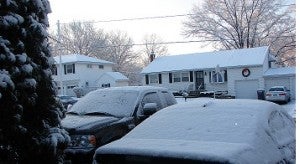
Snow Removal Tips from Bennett Toyota
Are you ready for the white stuff yet? Soon than later, you will be shoveling out, brushing off, and de-icing your vehicle in the morning and after work. As fall fades away, you should always be ready for the winter weather. Whitehall area Toyota has snow removal tips. Clear the tailpipe Make sure you clear the snow from the exhaust pipe. If the pipe is blocked, carbon monoxide can fill the cabin and cause serious illness or death. Do not use hot water Do not use hot water to de-ice your locks or your windshield. Hot water can refreeze on the lock or shatter your windshield. Lift your windshield wipers Lift your windshield wipers off the windshield so they do not freeze to the car’s glass. You can also try wiping rubbing alcohol across the blade to prevent the wipers from freezing. Use a winter windshield fluid Use a solution that prevents the fluid from freezing to the windshield. Don’t pat the snow or ice to break it up Do not use your hand or your fist to break up snow and ice, as you can dent the cars exterior or break the glass. Do not use your snow shovel to clean off large hunks of snow Never use your household snow shovel to push snow off your vehicle; it will scratch the paint. Consider purchasing a snow broom that pushes heavy, wet snow off your car without scratching the exterior.
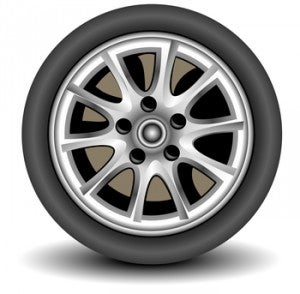
Allentown Area Toyota Service Has a List of Questions to Ask About Tire Warranties
Fall is usually the time when many drivers replace their tires or install snow tires on their vehicles. There are many deals to be made, but make sure you are making the best deal for you and your bottom line. When you buy tires this season, pay close attention to the tire warranty. Allentown area Toyota service has a list of questions to ask about tire warranties. 1. Is there a mileage warranty on the tires? You will need to know how far you can travel with a warranty to back you up. You do not want to be taken by surprise if you have a problem and realize your warranty has already expired. A warranty may also be based on the tread life of the tires, because drivers are often exposed to a variety of driving conditions. 2. Is there warranty coverage for the service? Are parts and labor are warrantied as well? Typical warranty coverage for labor and parts is thirty days. 3. Do I have flat tire repair, rotations, and rebalancing services? Talk to the service professional about the free services you may be entitled to once you leave the shop. 4. What happens if the tire is defective? Ask about factory coverage for the tires. Now that the tire has left the factory, what does the manufacturer offer to protect you from poor design and factory defects? 5. What voids the warranty? Discuss exclusions and instances that may void your warranty. Normally, a warranty only applies if you maintain proper air pressure, avoid extreme driving conditions, and comply with service and maintenance schedules.
Bennett Toyota Service Professionals Discuss Ball Joints
When was the last time you went searching in the owner’s manual for information about your ball joints? Every little component on your car serves a purpose, and the more you know about the operations, the better you can be when diagnosing the problem. Ardmore area Toyota service professionals are discussing ball joints. What is a Ball Joint? Your ball joint serves the same purpose as your hip does in the socket. The smooth swivel in your hip is the same as the smooth movement of the ball joint. The purpose of the ball joint is to allow the car to move up and down, side to side, and to steer. Typically, there are four ball joints in a vehicle: two on each side of the front suspension, an upper and a lower ball joint for each wheel. How Long Does a Ball Joint Last? Ball joints are designed to last quite a while, but excessive wear and harsh driving conditions can induce premature aging. When the joints wear out, the joint will become loose in its socket and cause damage to the car if it goes unrepaired. Always consult your owner’s manual for ball joint specifications and requirements. Signs and Consequences of Bad Ball Joints When your ball joints start to go bad, you will notice a few driving changes. The first thing you may notice is a banging sound in the front of the vehicle when you are turning a corner or going over a bump. Additional symptoms include abnormal tire wear and sloppy or stiff steering. If you fail to replace the ball joints, the car’s alignment will be affected; lubrication on the ball joint can dry out; the steering can collapse if the ball joint fails completely.
Allentown Area Toyota Helps You Troubleshoot Electric Problems
The presence of technology in the driver’s seat has improved the ride, but it can also be a pain when you have an electrical problem. Fortunately, with a little time, you can identify the issue. Allentown area Toyota helps you troubleshoot electrical problems. Signs of Electrical Issues Electrical malfunctions can present themselves in a number of ways: Weak battery or it goes dead Weak or dim lights Flickering lights Warning light on the dash The car clicks but won’t start, or it flat won’t start Problems with additional accessories: windows, stereo, heated seats, etc. How to Identify the Problem Five steps can assist you with identifying the faulty culprit. Remember that your battery must be disconnected when you are replacing or repairing electrical components. 1. Inspect the battery Look for signs of corrosion or damage. If the battery is old, it may need to be replaced. You can take the battery to a parts store and have the voltage output checked. 2. Test the alternator If the battery is not the problem, move on to the alternator. Check the voltage output and look for and visible signs of damage. 3. Check the voltage and grounding Tests the voltage levels at the load points. The load point is what should be powered, such as window motors, wiper motor, light bulbs, blower motor. Use a voltmeter to ensure power is being delivered to the component. Replace the fuse for the inoperable part. 4. Look for obvious wire damage Evaluate the condition of the wiring. Look for disconnections, damage and corrosion. 5. Seek professional assistance If you are unable to determine the cause of the electrical problem, take your vehicle to the dealership right away for an inspection.
Solutions from Bennett Toyota to Fix Steering Pulling
When you think of your steering wheel pulling to either side, you might automatically think that you need an alignment. There are other issues as well that may contribute to the tendency to drift. Willow Grove area Toyota is discussing why your steering wheel is pulling. Possible Reasons for the Pull Before you show up at the shop and request an alignment, consider a few other options to discuss with your service technician. Remember that alignment issues are one-directional, meaning your car will only always pull to the same side, not multiple directions at different times. Pull occurs after rotating the tires You will notice pulling after the tires are rotated if the tires have different tread patterns. Vehicle pulls when you apply the brakes If the car pulls only after you engage the brakes, you could have a brake or suspension issue. Car pulls when you hit the gas If the car pulls when the vehicle accelerates, the problem is torque steering. Can’t make up its mind If your car pulls to the right during one drive and to the left on another, it is called memory steer. The culprit may be ball joints, tie rods or strut bearings, not an alignment problem. Pulls when you get new tires If the car pulls after you get new tires, the problem might be the tire itself. Consider poor installation or a tire defect. Pulling to the right or left If you have bad tires, tire separation can cause the car to pull. You might also experience shaking when you are driving at low speeds. Vehicle leans If the car is leaning, the drifting is more than likely caused by low tire pressure.
Carpool Safety Tips from Allentown Toyota
Many people carpool to work and school. Carpooling saves money on gas and reduces emissions. When it is your turn to play carpool captain, make sure you are prepared for the task. Carpooling may not sound difficult, but the driver has many responsibilities. Allentown Toyota has carpool safety tips. Tips for a Safe Carpool Commute If you are carpooling with children or coworkers, keep these safety tips in mind: 1. Review car insurance limits Talk to your insurance agent about your car insurance limits and increased exposure when driving with other passengers in the vehicle. 2. Avoid distractions Avoid cell phone use, distracting conversations, playing with the radio and other distractions that take your eyes and focus off the road, 3. Everyone must wear a seatbelt Do not transport more people than your vehicle can safely accommodate. Everyone must be in a seatbelt, and children under the age of 13 must remain in the back seat. 4. Pull over if crowd gets rowdy If the children get too rowdy and loud, pull over and wait for the passengers to calm down. 5. Keep checking for seatbelts After each stop, check to make sure everyone is still buckled up, 6. Curbside drop-off If you are traveling with kids, arrange your stops so that you are picking up and dropping off curbside. 7. No not allow others to substitute If you are the designated carpool driver, do not send a substitute in your place, especially a teen driver. If you plan to send a replacement, call your carpool passengers first. 8. Do not drive impaired If you have consumed alcohol, prescriptions drugs or recreational substances, do not get behind the wheel. You are responsible for the lives of everyone in the vehicle.
Should 20-Somethings Own Their Own Insurance Policies?
When is it time to remove a driver off your insurance policy? Do you wonder if your older children should remain on your car insurance policy or branch off onto their own? Toyota near Willow Grove talks about removing drivers in their twenties off your policy. What to Consider Before You Remove a Driver Whether or not to remove an older driver depends on the driver, and the situations may be different from family to family. Consider a few points before you decide. 1. Does the driver still live in your household? As long as your grown child is still living in your home, he or she will affect your car insurance rates. Household drivers have access to the vehicle, and the insurance company will require you to rate the child on a household vehicle. 2. Is the driver away at college? If your teen driver is away at college, you can leave him or her on your insurance policy. 3. Is the driver married or expecting a child? The driver can expect to pay higher premiums once he or she breaks off your policy. If the driver is not yet 25, married or a parent, he or she will be rated as a youthful driver. The rates will be twice as bad if he or she loses the discounts your policy provides. 4. Who is the registered owner of the vehicle? If you are the registered owner of the vehicle, the vehicle will need to be insured in your name. If you keep the driver as a named driver on the policy, the driver will get better rates in the future because he or she can prove continuous coverage. 5. Is your grown child a responsible driver? If your grown driver is a responsible driver, there is no need to remove him or her from the policy just yet. If the driver has a bad record, and still lives in the home, you may be able to exclude the driver from your policy. Once the driver is excluded, he or she will NOT be covered if an accident occurs in a household vehicle listed on the policy.
Bennett Toyota has a Sample Knowledge Test for New Drivers
It is time to get your license, and that means there are a few requirements you have to complete before you get to hold your license in your hand. Are you confident you understand the rules of the road before you head to the office? Bethlehem area Toyota has sample knowledge test questions for drivers. 1. What should you do if you are driving near a blind pedestrian? Slow down and get ready to stop. 2. What is a yellow and black diamond-shaped sign? It warns you about conditions on or near the roadway. 3. What do you do at a flashing yellow light? Slow down and proceed through the intersection with caution. 4. Name a penalty for driving under the influence of alcohol. Required to attend Alcohol Highway Safety Council. 5. What is a consequence of failing to take a BAC test if you are arrested for driving under the influence? Your license can be suspended. 6. What should you do if a police officer pulls your over? Remain seated in the car with your hands on the wheel, waiting for the officer to approach the vehicle. 7. What BAC level is considered to be driving under the influence if the driver is under 21? Anything over 0.0%, any alcohol is over the limit. 8. Is parent consent required for a blood, urine or breath test if pulled over for driving under the influence? No, consent is not required. 9. What should you do if an approaching vehicle has its high beams on? Look toward the right side of the road. 10. Name a few things you must do when driving behind a motorcycle? Give the motorcycle full use of the entire lane and give a four-second following distance.